
 By Naomi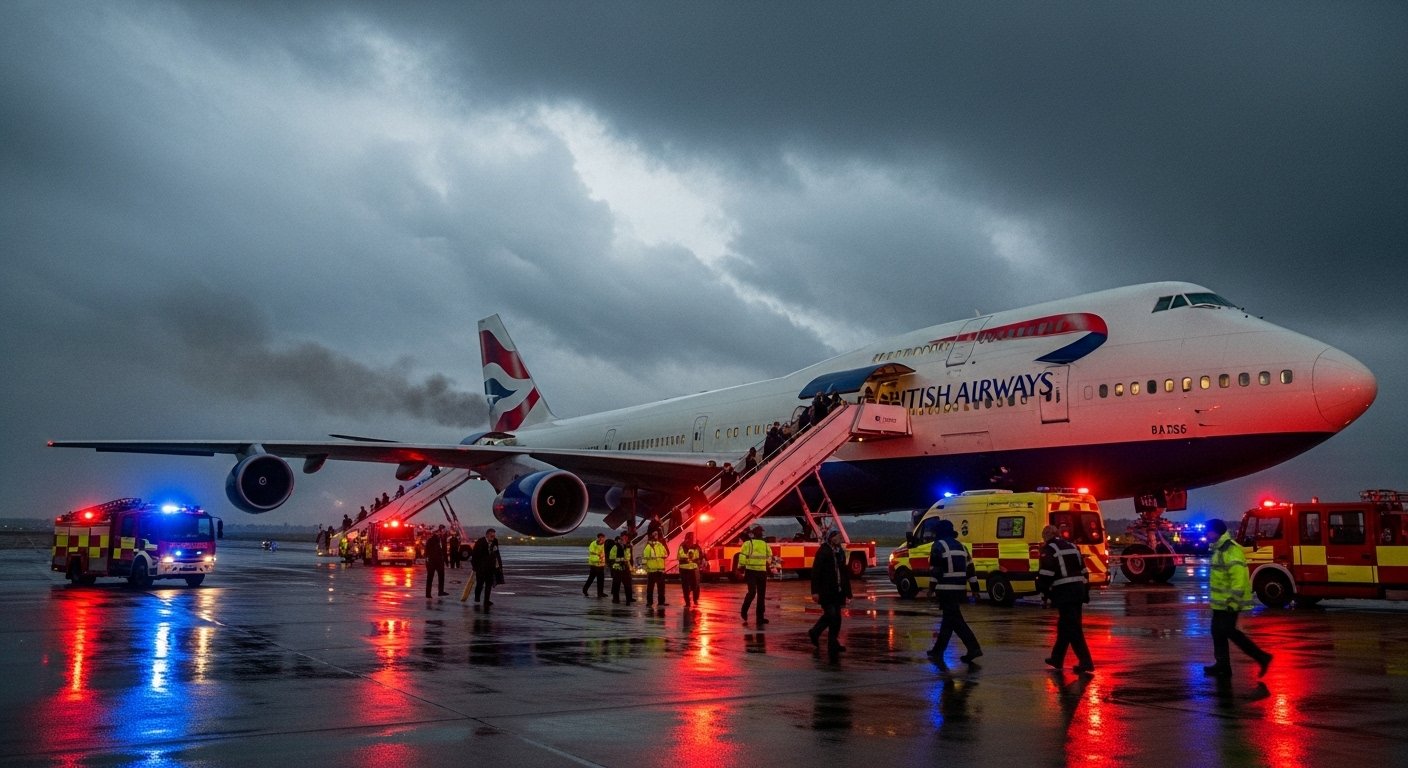
On October 25, 2016, British Airways Flight BA286, a long-haul service operating from San Francisco (SFO) to London Heathrow (LHR), experienced a significant in-flight emergency that resulted in an unscheduled landing in Vancouver, Canada. What unfolded during that transatlantic crossing tested the crew’s emergency procedures, highlighted aviation safety protocols in action, and raised questions that still draw attention years later.
This event remains one of British Airways’ most reported in-flight emergencies, not only because it involved a modern Airbus A380 “Superjumbo” but also because multiple crew members required medical attention following the diversion.
Background: Flight BA286 and the Airbus A380
British Airways emergency flight BA286 is a scheduled long-haul service connecting San Francisco International Airport with London Heathrow, one of BA’s busiest international routes. On that October evening in 2016, the aircraft operating the flight was an Airbus A380, the largest passenger airliner in commercial service.
The A380, known for its two full decks and advanced engineering, typically offers a smooth and safe journey. Despite this reputation, no modern aircraft is immune to emergencies — and Flight BA286’s diversion showcased the robust systems designed to keep crews and passengers safe.
Onboard Developments: When Things Took a Turn
The flight departed San Francisco in the early evening and climbed to cruising altitude over the Canadian provinces. Around two hours into the flight, crew members began reporting health issues. While the exact cause was initially unclear, early reports suggested that inhalation of smoke or irritating fumes might have been involved.
According to eyewitness accounts from passengers, the cabin atmosphere became tense. Dinner service was cut short, and anxiety aboard grew as communication from the cockpit was limited. Many passengers watched as flight attendants seemed “distressed” and spent a disproportionate amount of time in the rear of the aircraft — signs that something unusual was occurring.
Decision to Divert: Ensuring Safety First
Once the flight crew reported the issues, the captain declared a medical emergency. This critical step signalled to air traffic control that a serious situation was unfolding and that immediate action was needed.
Initially, Flight BA286 altered its route toward Calgary, the nearest large airport. However, for logistical reasons — including aircraft handling capability and weather considerations — the decision was made to continue to Vancouver International Airport (YVR) rather than Calgary.
The use of Vancouver as a diversion airport illustrates aviation decision-making in action: pilots work with air traffic controllers to choose the most appropriate landing destination based on safety, aircraft type, medical facilities, and runway capacity.
Emergency Landing and Medical Response
The A380 touched down safely at Vancouver International Airport late at night. What followed was a significant emergency response: fire crews, paramedics, and police surrounded the aircraft to assess the situation and ensure the safety of everyone on board.
Local health officials reported that 25 crew members were taken to various hospitals as a precautionary measure. Initial statements suggested smoke inhalation might be the cause of the illnesses, although later remarks from health authorities clarified that the precise medical diagnosis was still under review.
Notably, British Airways confirmed that no passengers were transported to hospital; only cabin crew and flight deck personnel underwent medical checks before being discharged.
Emergency responders conducted thorough checks for hazardous materials, smoke, or other contaminants. Passengers were kept on board initially and then allowed to disembark, with BA staff arranging hotel accommodations and onward travel arrangements for those affected.
Passenger Experience and Communication Challenges
One of the broader talking points from this event was not just the emergency itself but how information was relayed to those on board.
Passengers reported feeling “in the dark” about the nature of the incident while emergency teams boarded the aircraft. Observations of firefighters wearing respirators and carrying specialized equipment spiked concern, even though there was no official evidence of a major fire or toxic atmosphere.
This gap in communication illustrates a common challenge in aviation emergencies: crew members must balance the need to calm passengers with the need to manage the situation effectively. In many cases, pilots focus initially on safely landing the aircraft and only later provide detailed explanations.
Investigation: Understanding What Happened
Following the diversion, British Airways and aviation authorities launched an investigation into the cause of the emergency. Such probes are standard after significant in-flight events and typically involve:
-
Aircraft system diagnostics
-
Crew interviews
-
Air quality tests
-
Maintenance history reviews
At the time, BA officials did not confirm a definitive cause, stating only that the safety and well-being of everyone involved was the company’s top priority. Reports continued to circulate about possible smoke or vapor issues, but a final public report detailing root causes was not widely released.
This ambiguity has led to continued interest from aviation enthusiasts and the travelling public, leading some websites to archive reports describing the diversion and crew hospitalisations.
Safety Protocols in Focus
Emergency diversions such as that of Flight BA286 underscore the effectiveness of safety protocols in modern aviation. Key elements include:
1. Early Detection and Reporting:
Flight crew identified health issues among colleagues and promptly communicated these to the captain, triggering the emergency declaration.
2. Priority Landing Decisions:
Pilots selected a diversion airport with full support services, even if it meant flying a slightly longer route.
3. Emergency Response Coordination:
Upon landing, airport fire and medical services were immediately mobilised, completing protocol procedures for potential onboard hazards.
4. Passenger Care and Logistics:
BA arranged accommodations and rebooking for passengers as part of their duty of care following significant disruptions.
Collectively, these steps illustrate how modern airliners are equipped not only to react to mechanical issues, but also to manage health concerns among crew and passengers.
Conclusion:
The BA286 diversion remains a valuable case study in aviation safety. While the precise cause of the crew illnesses was never definitively established in public reporting, the event demonstrated how quick thinking, trained emergency procedures, and coordinated action between airline and ground teams can keep passengers safe under unpredictable circumstances.
Above all, Flight BA286 reminds travellers that even rare in-flight medical or technical issues are handled through rigorous protocols designed to prioritise human life above schedules or convenience. In aviation, safety mechanisms are not just theoretical — they are practiced in real moments of crisis.