
 By Naomi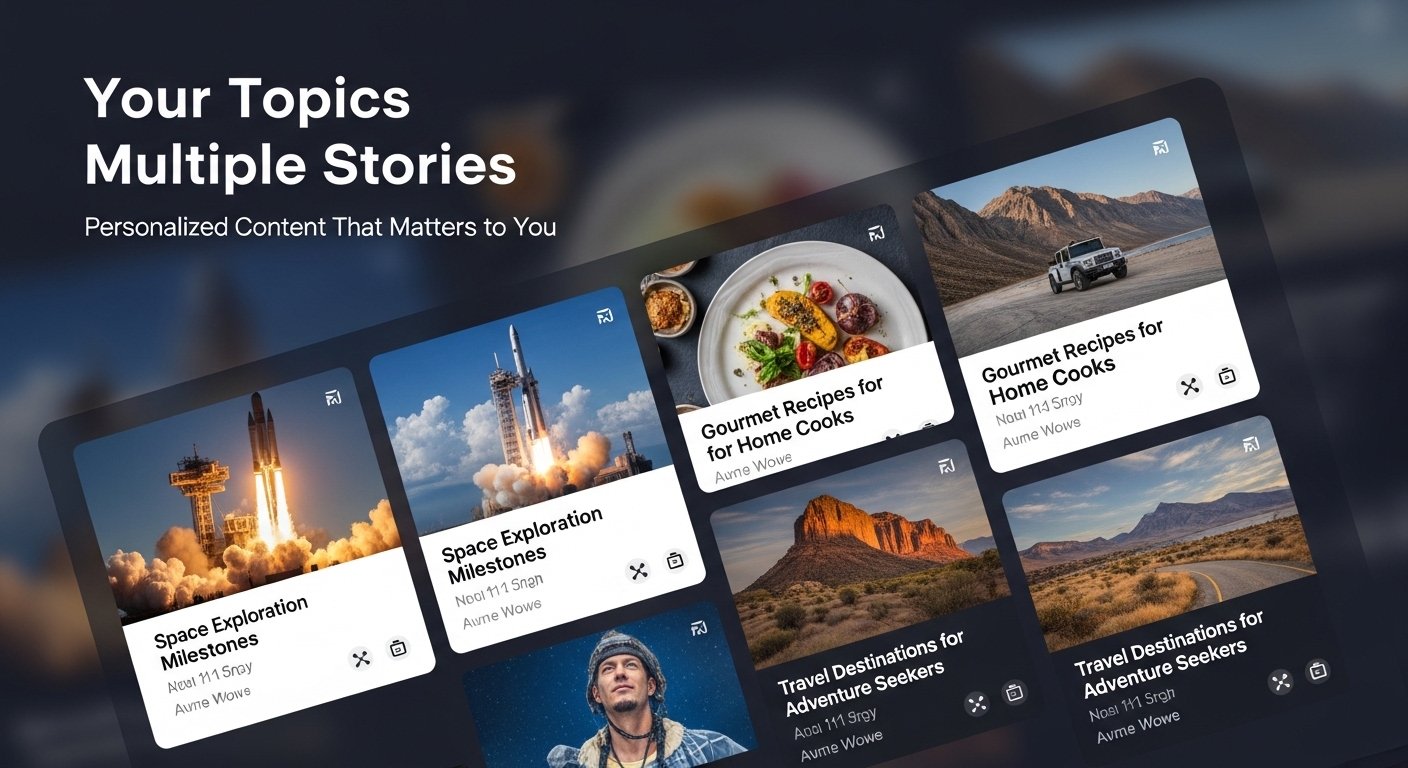
Imagine scrolling through your favorite website or app and feeling like every piece of content was created just for you. That’s the magic of personalized content. It’s a tailored experience that resonates with individual interests, preferences, and behaviors. In today’s digital landscape, where information overload is the norm, finding what truly matters to you can be challenging.
Your Topics Multiple Stories highlights how brands are shifting towards creating more relevant experiences for their audiences. This trend isn’t just about grabbing attention; it’s about building connections that last. With advancements in technology and consumer expectations on the rise, personalized content is becoming essential for engaging users effectively.
Let’s dive into why this approach is transforming online interactions and what it means for both consumers and businesses alike. Prepare to explore the benefits, challenges, and future of personalized storytelling!
The Benefits of Personalized Content
Personalized content transforms the way audiences engage with brands. By tailoring messages to individual preferences, it creates a more meaningful connection.
Users are more likely to interact when they see relevant information that resonates with their interests. This increases click-through rates and boosts overall engagement.
Another benefit is customer loyalty. When users feel understood, they return for more tailored experiences. This fosters trust and encourages long-term relationships.
Moreover, personalized content drives conversions effectively. Targeted recommendations can lead to increased sales as customers discover products aligned with their needs.
Businesses gain valuable insights through analytics on user behavior. These data points help refine future strategies for even greater impact in reaching specific demographics or niches within the market.
How Artificial Intelligence Plays a Role in Personalization
Artificial Intelligence (AI) transforms the landscape of personalized content. By analyzing vast amounts of data, AI identifies patterns that help brands understand individual preferences.
Machine learning algorithms optimize user experiences by tailoring recommendations to fit specific interests. This means viewers receive content that resonates with them personally, enhancing engagement.
Natural language processing further personalizes interactions. Chatbots and virtual assistants can now communicate in a way that feels human-like, making users feel valued.
AI also monitors real-time behavior, adjusting content dynamically based on what users engage with most. As a result, businesses can provide timely and relevant information tailored to each visitor’s journey.
The integration of AI technology not only streamlines personalization but also scales it across various platforms. Personalization is no longer a luxury; it’s an expected norm for consumers today.
Examples of Successful Personalized Content Strategies
Successful personalized content strategies are transforming how brands engage with their audiences. One standout example is Netflix, which tailors its recommendations based on viewing history. This approach keeps users hooked and encourages binge-watching.
Another impressive case comes from Spotify’s Discover Weekly feature. By analyzing listening habits, it curates a playlist that feels uniquely crafted for each user. The result? Increased user satisfaction and loyalty.
Amazon excels in personalization by suggesting products based on previous purchases and browsing behavior. These tailored suggestions often lead to higher conversion rates as customers discover items they might not have found otherwise.
Coca-Cola’s “Share a Coke” campaign personalizes the experience at an even more human level, using customer names on bottles to foster personal connections with consumers. Such initiatives create memorable interactions that resonate deeply with individuals.
These examples illustrate the power of personalization in capturing attention and driving engagement across various industries.
Privacy Concerns and Solutions
As personalized content rises in popularity, privacy concerns have become a hot topic. Users often worry about how their data is collected and used. This anxiety can stem from past breaches and the misuse of personal information.
Transparency is vital for building trust. Companies must be clear about what data they collect and why. Providing users with control over their information empowers them to make better decisions regarding their digital footprints.
Adopting robust encryption methods helps safeguard sensitive data during transmission and storage. Regular audits can also ensure compliance with privacy regulations like GDPR.
Utilizing anonymization techniques allows businesses to analyze trends without compromising individual identities. Educating consumers on how to protect themselves online fosters a more secure environment for all parties involved in the personalization process.
The Future of Personalized Content
The landscape of personalized content is rapidly evolving. Emerging technologies are paving the way for more tailored experiences, making it easier to connect with audiences on a deeper level.
Virtual reality and augmented reality stand at the forefront of this transformation. Imagine immersive storytelling that adapts based on user preferences or past interactions. This could vastly enhance engagement.
Data analytics will continue to refine how we understand consumer behavior. As algorithms become smarter, they’ll curate content in real-time, ensuring relevancy and resonance.
Moreover, ethical considerations around personalization will shape its development. Striking a balance between data use and privacy will be crucial for gaining trust while delivering individualized experiences.
As these innovations unfold, businesses must remain agile and responsive to shifts in technology and user expectations. The future holds exciting possibilities for creating meaningful connections through customized narratives that resonate deeply with each individual.
Conclusion
Personalized content has reshaped how brands communicate with their audiences. The advantages are clear: enhanced engagement, better user experience, and ultimately, increased conversions. With the power of artificial intelligence driving these efforts, businesses can create tailored narratives that resonate deeply with individual preferences.
Successful examples abound in industries ranging from e-commerce to entertainment. Brands that harness data effectively stand out in a crowded market by delivering what customers truly want—content that speaks directly to them.
While there are valid concerns about privacy and data security, many companies are actively working on solutions to ensure trust remains intact while still offering personalization. This balance is crucial for fostering long-term relationships with consumers.
As we look ahead, the landscape will continue evolving. Emerging technologies will further refine personalized experiences, making it easier for brands to tell your unique story through “Your Topics Multiple Stories.” Embracing this future means staying attuned to both consumer needs and ethical considerations.
The journey of personalized content has just begun; its impact on our digital lives will only deepen as technology advances. Being prepared for what’s next ensures you won’t miss out on any opportunities presented by this dynamic approach.