
 By Naomi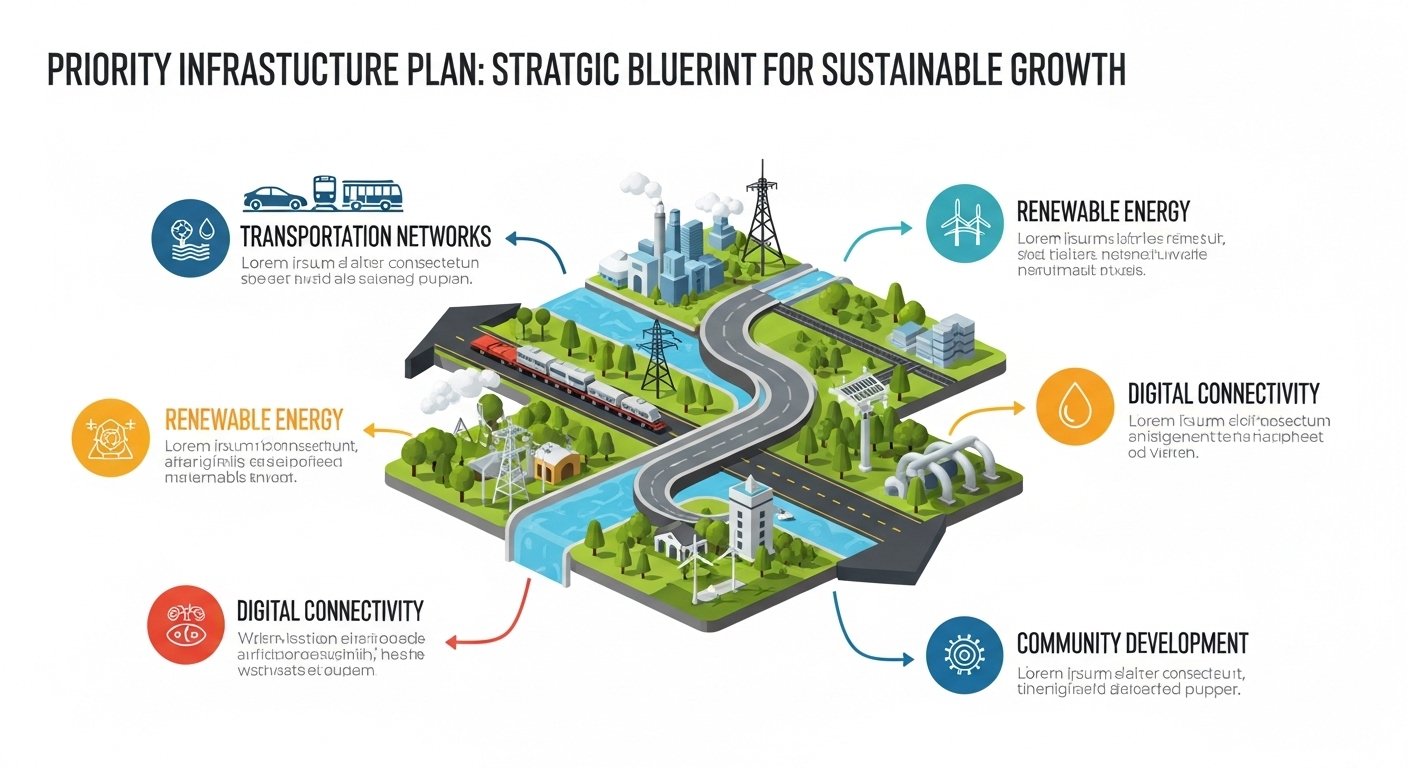
In an ever-evolving world, the need for robust infrastructure has never been more critical. The Priority Infrastructure Plan emerges as a transformative strategy aimed at fostering sustainable growth across communities. By prioritizing essential projects, this plan sets the stage for development that not only meets today’s demands but also safeguards our future. As cities expand and populations grow, investing in reliable infrastructure becomes imperative to ensure resilience and prosperity. Let’s delve into how this strategic blueprint is reshaping landscapes and improving lives, one project at a time.
Importance of Investing in Infrastructure
Investing in infrastructure is crucial for a thriving economy. It serves as the backbone of growth, creating jobs and stimulating local businesses. Quality roads, bridges, and public transport systems improve accessibility and efficiency.
Infrastructure investments enhance quality of life. They provide essential services like clean water, electricity, and waste management. These components are vital for community health and safety.
Moreover, robust infrastructure attracts investment from both domestic and foreign sources. When companies see reliable utilities and transportation networks, they are more likely to set up operations in that area.
In addition to economic benefits, sustainable infrastructure supports environmental goals. Green building practices reduce carbon footprints while fostering resilience against climate change impacts.
Prioritizing infrastructure leads to long-term prosperity for communities across all sectors.
Key Components of the Priority Infrastructure Plan
The Priority Infrastructure Plan comprises several key components that drive its effectiveness. First, transportation networks play a crucial role in enhancing connectivity. Upgrading roads, bridges, and public transit systems ensures smoother movement for both people and goods.
Water management is another essential element. Investing in efficient water supply systems and wastewater treatment facilities safeguards public health while promoting sustainable practices.
Energy infrastructure cannot be overlooked either. Emphasizing renewable energy sources reduces carbon footprints and supports long-term sustainability goals.
Digital infrastructure also features prominently in the plan. Expanding broadband access allows communities to thrive economically by bridging digital divides.
Community engagement stands out as a vital component. Involving local stakeholders leads to better project alignment with community needs and fosters support throughout implementation phases. Each of these components intertwines to create an integrated approach toward robust infrastructural development.
Sustainable Development Goals and the Priority Infrastructure Plan
The Priority Infrastructure Plan aligns closely with the Sustainable Development Goals (SDGs) set forth by the United Nations. By focusing on resilient infrastructure, it directly supports goals related to sustainable cities and communities.
Investments in public transportation, energy efficiency, and clean water systems enhance urban livability. These improvements drive economic growth while reducing environmental impact.
Additionally, fostering partnerships within local communities encourages participatory governance. This collaborative approach empowers residents to be part of decision-making processes affecting their lives.
Moreover, incorporating green technologies into infrastructure projects helps combat climate change. It ensures that development does not compromise future generations’ ability to thrive.
By prioritizing initiatives that intersect with SDGs, the plan promotes holistic progress across multiple sectors—healthcare, education, and employment opportunities all benefit from strategic investments in infrastructure.
Benefits of Implementing the Priority Infrastructure Plan
Implementing the priority infrastructure plan brings a multitude of advantages. First and foremost, it enhances economic growth. Improved roads, bridges, and transit systems facilitate trade and increase access to markets.
Job creation is another significant benefit. Infrastructure projects demand skilled labor across various sectors, providing employment opportunities for communities.
Moreover, this plan promotes environmental sustainability. By focusing on green technologies and renewable energy sources, it helps reduce carbon footprints while fostering eco-friendly practices.
Another key advantage lies in improved public health and safety. Upgraded infrastructure can lead to better sanitation services, clean water access, and safer transportation options.
Enhanced quality of life emerges as neighborhoods become more connected with parks and recreational areas. These improvements foster stronger community ties while making cities more livable for residents at every level.
Challenges and Solutions for Successful Implementation
Implementing a priority infrastructure plan often faces hurdles. One major challenge is securing adequate funding. Limited budgets can stall essential projects.
Another concern is the coordination among various stakeholders. Different agencies may have conflicting interests, which complicates decision-making and slows progress.
To tackle these issues, fostering collaboration is key. Regular meetings and transparent communication can align goals and expectations across all parties involved.
Innovative financing solutions also play a crucial role. Public-private partnerships can inject much-needed capital into projects while sharing risks.
Additionally, community engagement helps build support for initiatives. When residents feel heard, they are more likely to back plans that address their needs effectively.
Leveraging technology streamlines processes as well. Smart project management tools enhance efficiency in planning and execution, mitigating potential delays associated with traditional methods.
Conclusion:
The Priority Infrastructure Plan stands as a critical framework designed to foster sustainable growth in our rapidly evolving world. Its emphasis on modernizing infrastructure is not merely about constructing buildings or roads; it represents an investment in the future of communities and economies alike.
By prioritizing key components such as transport, energy, and digital connectivity, this plan aligns with essential Sustainable Development Goals. It addresses urgent needs while promoting environmental stewardship and social equity.
Implementing this plan brings numerous benefits—enhanced public safety, increased economic opportunities, and improved quality of life for citizens are just a few examples. However, challenges like funding constraints and regulatory hurdles must be navigated carefully to ensure success.
With strategic planning and community involvement at the core of its approach, the Priority Infrastructure Plan promises to pave the way for resilient urban environments equipped to handle future demands. Embracing this comprehensive vision can transform how we build cities today for generations yet to come.