
 By Naomi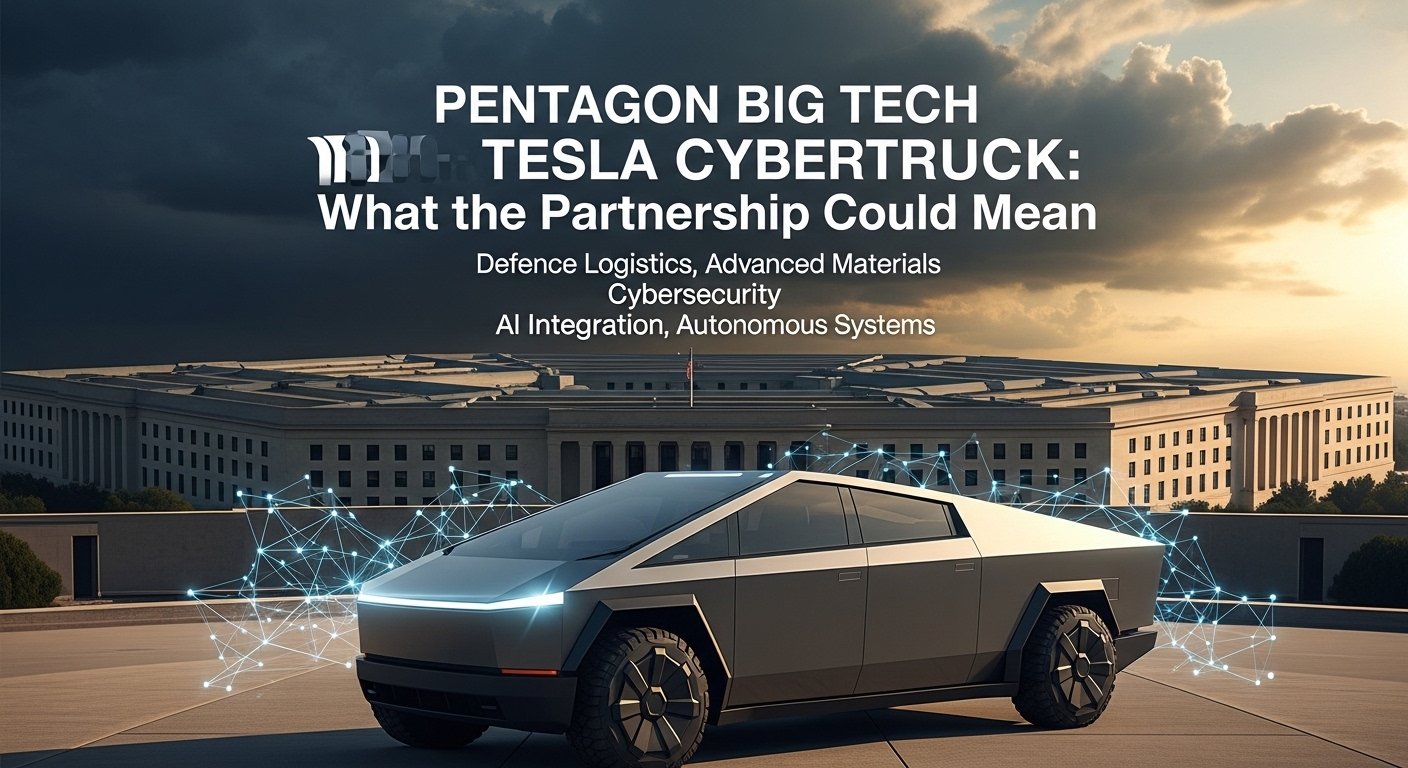
The partnership between the Pentagon and Big Tech Tesla Cybertruck has sparked a whirlwind of conversations around the future of military vehicles. With the spotlight on Tesla’s innovative Cybertruck, this collaboration could reshape how armed forces approach mobility and sustainability. As we dive into what this alliance means for both sectors, it’s clear that we’re standing at the intersection of technology and defense—a place where electric power meets strategic might. Buckle up as we explore the implications of this groundbreaking partnership between big tech and national security.
What is the Tesla Cybertruck?
The Tesla Cybertruck is an all-electric pickup designed to stand out. Its futuristic, angular shape turns heads wherever it goes. Made from ultra-hard 30X cold-rolled stainless steel, the exterior offers toughness and durability.
Inside, the Cybertruck boasts a minimalist aesthetic with advanced technology features. A large touchscreen serves as the command center for navigation and entertainment needs. Passengers can enjoy spacious seating and impressive storage options.
Performance-wise, the Cybertruck doesn’t disappoint. It accelerates quickly and provides robust towing capabilities—ideal for both work and leisure activities alike. With multiple configurations available, including single and tri-motor drives, it caters to various consumer preferences.
Tesla’s commitment to sustainability shines through in this vehicle, making it appealing not only for tech enthusiasts but also environmentally conscious drivers looking for power without compromising on eco-friendliness.
The Benefits of Using Electric Vehicles for Military Purposes
Electric vehicles (EVs) present a transformative opportunity for military applications. Their quiet operation offers tactical advantages, allowing troops to move stealthily in sensitive environments.
Moreover, EVs reduce reliance on fossil fuels. This shift not only enhances energy security but also minimizes logistical challenges associated with fuel supply chains.
The lower maintenance costs of electric drivetrains also stand out. Fewer moving parts mean less wear and tear, leading to increased operational readiness.
Additionally, the environmental benefits cannot be overlooked. Using electric vehicles helps the military decrease its carbon footprint while promoting sustainability initiatives within defense strategies.
With advancements in battery technology, range anxiety is becoming a thing of the past. This means that more remote operations could rely entirely on electric-powered transportation without compromising effectiveness or efficiency.
Potential Challenges and Risks
The partnership between the Pentagon and Tesla brings excitement, but there are potential challenges to consider.
One major concern is cybersecurity. Military applications require robust protection against hacking attempts or data breaches. Integrating advanced technology like the Cybertruck could make these systems vulnerable if not properly secured.
Logistical hurdles also loom large. Transitioning to electric vehicles means adapting infrastructure for charging stations in remote locations often used by military units. This shift demands significant investment and planning.
Moreover, public perception plays a role. The collaboration could draw scrutiny regarding government contracts awarded to tech companies like Tesla, raising questions about favoritism and transparency.
Supply chain issues could impact production timelines of the Cybertruck destined for military use. Any disruption may delay deployment when urgency is paramount in defense operations.
Impact on the Automotive Industry
The partnership between the Pentagon and Tesla could send shockwaves through the automotive industry. With a focus on electric vehicles, traditional automakers may feel the pressure to innovate quickly. The Cybertruck’s unique design and technology set a new benchmark in vehicle performance.
As military applications for EVs gain traction, other companies might scramble to adapt their fleets accordingly. This shift could not only accelerate research into sustainable technologies but also redefine consumer expectations.
Moreover, competition will likely intensify among manufacturers aiming for lucrative government contracts. As more defense budgets allocate funds toward green initiatives, we may see an influx of hybrid models entering production lines.
In this evolving landscape, collaborations like this one could pave the way for groundbreaking advancements in safety features and autonomous driving capabilities within commercial vehicles as well.
Future Possibilities for Collaboration
The partnership between the Pentagon and Tesla opens doors to innovative technologies. Imagine advanced AI systems integrated into military vehicles. This could enhance decision-making on the battlefield, improving response times.
Collaboration might also extend beyond just vehicle manufacturing. Think about joint research initiatives focused on renewable energy sources for military operations. Such advancements could lead to more sustainable practices within defense sectors.
Moreover, there’s potential for Tesla’s expertise in battery technology to revolutionize power supply in remote locations. Electric drones and unmanned ground vehicles powered by high-capacity batteries could transform logistical strategies.
As both entities explore synergies, we may see breakthroughs that redefine modern warfare tactics. The intersection of electric mobility and national defense holds untold possibilities for future innovations that can change how we view military transportation altogether.
Conclusion
The partnership between the Pentagon and Tesla to explore the potential of the Cybertruck represents a significant shift in military logistics and vehicle innovation. The Tesla Cybertruck, with its bold design and electric powertrain, stands out as a game-changer in automotive technology.
Utilizing electric vehicles like the Cybertruck for military purposes offers numerous benefits, including reduced emissions, lower operational costs, and less reliance on fossil fuels. As nations strive for sustainability, this collaboration aligns well with future defense strategies.
However, venturing into this space is not without its challenges. Concerns around battery life in extreme conditions or cybersecurity threats could impact adoption rates within military operations. Additionally, integrating such advanced technology may require substantial adjustments to existing infrastructure.
This partnership also has broader implications for the automotive industry at large. It may push traditional manufacturers to accelerate their own transitions toward electrification while setting new standards for durability and performance in rugged environments.
Looking ahead, we can expect further collaborations between big tech companies like Tesla and governmental bodies focused on innovation through sustainable solutions. The fusion of cutting-edge technology with defense needs suggests that exciting developments are on the horizon.
As both sectors continue to evolve together under initiatives like this one from the Pentagon big tech tesla cybertruck alliance, it will be fascinating to watch how they redefine transportation norms across various fields.