
 By Naomi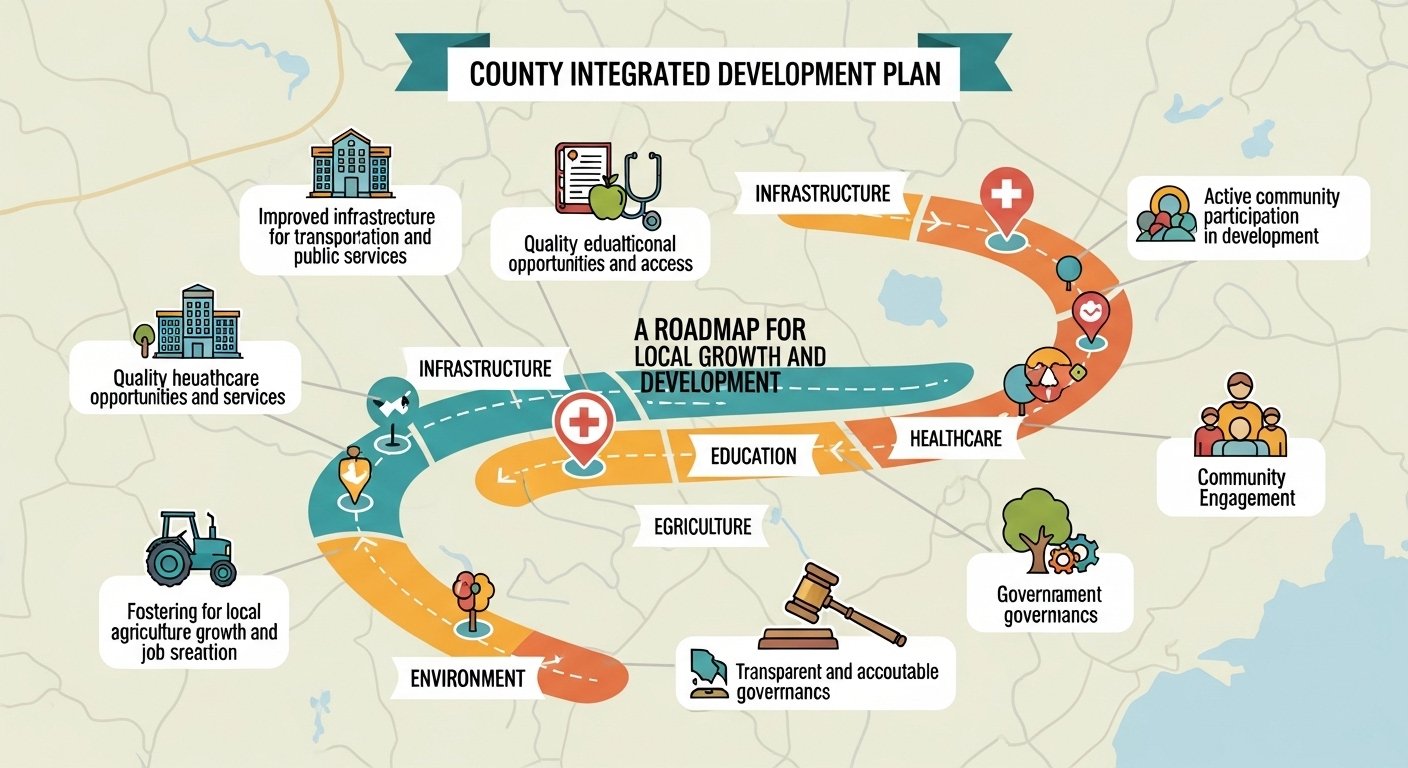
Have you ever wondered how local governments plan for the future? Enter the County Integrated Development Plan (CIDP). This essential blueprint is designed to guide counties toward sustainable growth and development. It lays out a roadmap that aligns resources with community needs, ensuring that every voice is heard in shaping their environment.
By taking a comprehensive approach, CIDPs serve as a unifying framework for various sectors—education, health care, infrastructure, and beyond. They not only prioritize immediate concerns but also envision long-term goals that can transform communities. Understanding the significance of these plans offers valuable insights into how local initiatives can flourish through careful planning and stakeholder engagement. Let’s explore what makes these documents so vital for fostering vibrant communities and enhancing quality of life at the county level.
The Purpose and Importance of CIDPs
County Integrated Development Plans (CIDPs) serve as essential frameworks for local growth. They outline strategic approaches to address the unique needs of a community.
The primary purpose is to enhance service delivery and foster sustainable development. By identifying priorities, CIDPs help allocate resources effectively.
Moreover, these plans promote transparency and accountability in governance. When citizens understand the objectives and strategies laid out in a CIDP, they are more likely to engage with local leaders.
CIDPs also empower communities by incorporating feedback from stakeholders. This collaborative process ensures that diverse voices contribute to shaping local policies.
An effective county integrated development plan not only drives economic progress but also enhances quality of life for residents. It acts as a guiding light for coordinated efforts toward achieving long-term goals within the region.
Key Components of a CIDP
A County Integrated Development Plan comprises several essential components that guide local growth effectively.
First, the vision and mission statement set the tone for what the county aims to achieve. This serves as a guiding light for all stakeholders involved.
Next comes socio-economic analysis, which dives deep into understanding current conditions. By evaluating demographics, employment rates, and resources, counties can identify strengths and weaknesses.
Sectoral priorities and strategies are crucial too. These outline specific areas of focus such as health care, education, and infrastructure development. Each sector should have tailored strategies to ensure effective implementation.
Together, these elements create a cohesive framework that addresses both immediate needs and long-term aspirations within the community. They facilitate informed decision-making while fostering collaboration among various stakeholders in pursuit of sustainable growth.
A. Vision and Mission Statement
A strong vision and mission statement is the backbone of any County Integrated Development Plan. It sets the direction for growth and development, providing a clear pathway that guides decision-making.
The vision statement articulates what the county aspires to become in the future. It paints a picture of success, inspiring stakeholders to work towards common goals.
On the other hand, the mission statement defines the purpose of the CIDP. It outlines how local authorities intend to achieve their vision through actionable strategies.
Together, these statements foster unity among residents, businesses, and government entities. They create an environment where everyone understands their role in advancing community interests.
An effective vision and mission can transform aspirations into reality by aligning resources and efforts toward shared outcomes. This alignment is crucial for sustainable progress within any county’s landscape.
B. Socio-Economic Analysis
Socio-economic analysis is a cornerstone of the County Integrated Development Plan. It provides insights into the current state of affairs within the county, revealing both strengths and weaknesses.
This analysis examines various factors including population demographics, income levels, employment rates, and access to essential services. Understanding these elements helps in identifying gaps that need addressing.
Moreover, socio-economic data can highlight trends over time. This allows planners to anticipate future needs rather than merely reacting to past challenges.
By engaging with local communities during this process, stakeholders can gather qualitative insights that numbers alone cannot provide. People’s experiences and perceptions add depth to the statistical findings.
A thorough socio-economic analysis serves as a foundation for informed decision-making in the CIDP development process. It ensures that plans are not just well-intentioned but grounded in reality.
C. Sectoral Priorities and Strategies
Sectoral priorities and strategies are the backbone of a County Integrated Development Plan. They provide clear direction on which areas need immediate attention and resources.
Identifying these priorities begins with understanding local needs. Different sectors, such as health, education, infrastructure, and agriculture, each demand unique approaches. For instance, investing in healthcare can enhance community well-being while boosting educational facilities cultivates a skilled workforce.
Once identified, strategies must align with overarching goals set forth in the CIDP. This alignment ensures that resources are allocated effectively to create meaningful impacts.
Engaging experts from various sectors helps shape realistic strategies that address both short-term challenges and long-term aspirations. Collaboration among different stakeholders is essential for achieving sustainable growth in every priority area.
By focusing on sectoral strategies tailored to specific community needs, counties can foster balanced development that benefits all residents equally.
The Process of Developing a CIDP
Developing a county integrated development plan (CIDP) is a collaborative process that involves various stakeholders. Local communities, government officials, and organizations all play crucial roles in shaping the plan. Their insights ensure that the CIDP reflects the needs and aspirations of the population.
Data collection comes next. This stage involves gathering information on demographics, resources, and existing infrastructure. Accurate data helps identify gaps and opportunities for growth within the community.
With this rich data in hand, formulating goals and objectives becomes essential. These must align with both local priorities and broader developmental strategies at higher levels of government. Clear objectives pave the way for effective implementation down the line.
The entire process thrives on transparency and communication. Engagement with residents ensures their voices are heard throughout planning efforts. This inclusivity fosters ownership among community members, making them active participants in their own development journey.
A. Stakeholder Involvement
Stakeholder involvement is a cornerstone of the County Integrated Development Plan. Engaging local communities, businesses, and governmental agencies ensures that diverse perspectives are considered.
Local residents bring firsthand knowledge of their needs and challenges. Their input helps create solutions that resonate with real-life situations. Public forums and meetings serve as effective platforms for gathering opinions.
Involving stakeholders fosters transparency and trust in the planning process. It allows community members to feel part of something larger than themselves. When people contribute ideas, they invest emotionally in the plan’s success.
Collaboration also extends to private sector players who can provide insights on economic opportunities. Their expertise can shape strategies that drive growth while addressing local priorities.
Genuine stakeholder engagement leads to more relevant and sustainable development outcomes within county plans.
B. Data Collection and Analysis
Data collection and analysis play a crucial role in shaping an effective county integrated development plan. This stage involves gathering information from various sources to understand the current state of affairs within the community.
Surveys, interviews, and focus groups provide valuable insights directly from residents. Local government records and reports also offer essential historical data that can inform future strategies.
Once collected, this data undergoes thorough analysis to identify trends and patterns. It helps pinpoint areas requiring urgent attention or investment.
Mapping tools can visualize geographic disparities among services and resources, revealing hidden challenges.
Additionally, demographic analyses highlight shifts in population dynamics, indicating emerging needs for specific sectors like education or healthcare. Engaging with stakeholders during this phase ensures diverse perspectives are considered while interpreting the data’s implications for developmental priorities.
C. Formulation of Goals and Objectives
Formulating goals and objectives is a critical step in the county integrated development plan process. It transforms broad visions into actionable targets that guide local growth.
Goals should be specific, measurable, achievable, relevant, and time-bound (SMART). This clarity helps ensure everyone understands what success looks like.
Objectives break down these goals into manageable tasks. They provide concrete steps to achieve broader aspirations within the community. Each objective must align with both the needs of residents and available resources.
Collaboration among stakeholders during this phase enhances ownership and accountability. Engaging local communities ensures diverse perspectives are considered, making plans more robust.
Regular reviews of these goals will also keep progress on track while allowing for adjustments based on changing circumstances or challenges faced by the county. Such flexibility is vital in navigating an ever-evolving landscape of development needs.
Conclusion:
The County Integrated Development Plan serves as a crucial framework for fostering local growth and development. By laying out a structured approach to planning, it addresses the unique needs of each community while ensuring that resources are effectively utilized. This plan not only outlines the vision and mission but also conducts socio-economic analyses to identify priorities.
Engaging various stakeholders throughout the process enhances transparency and promotes collaborative efforts. Data collection plays an essential role in shaping informed decisions, while clearly defined goals ensure that communities remain focused on their objectives.
The CIDP is more than just a document; it’s a commitment to sustainable growth and improved livelihoods within counties. As communities embrace this roadmap, they can look forward to enhanced living standards and economic resilience in an ever-evolving landscape.