
 By Naomi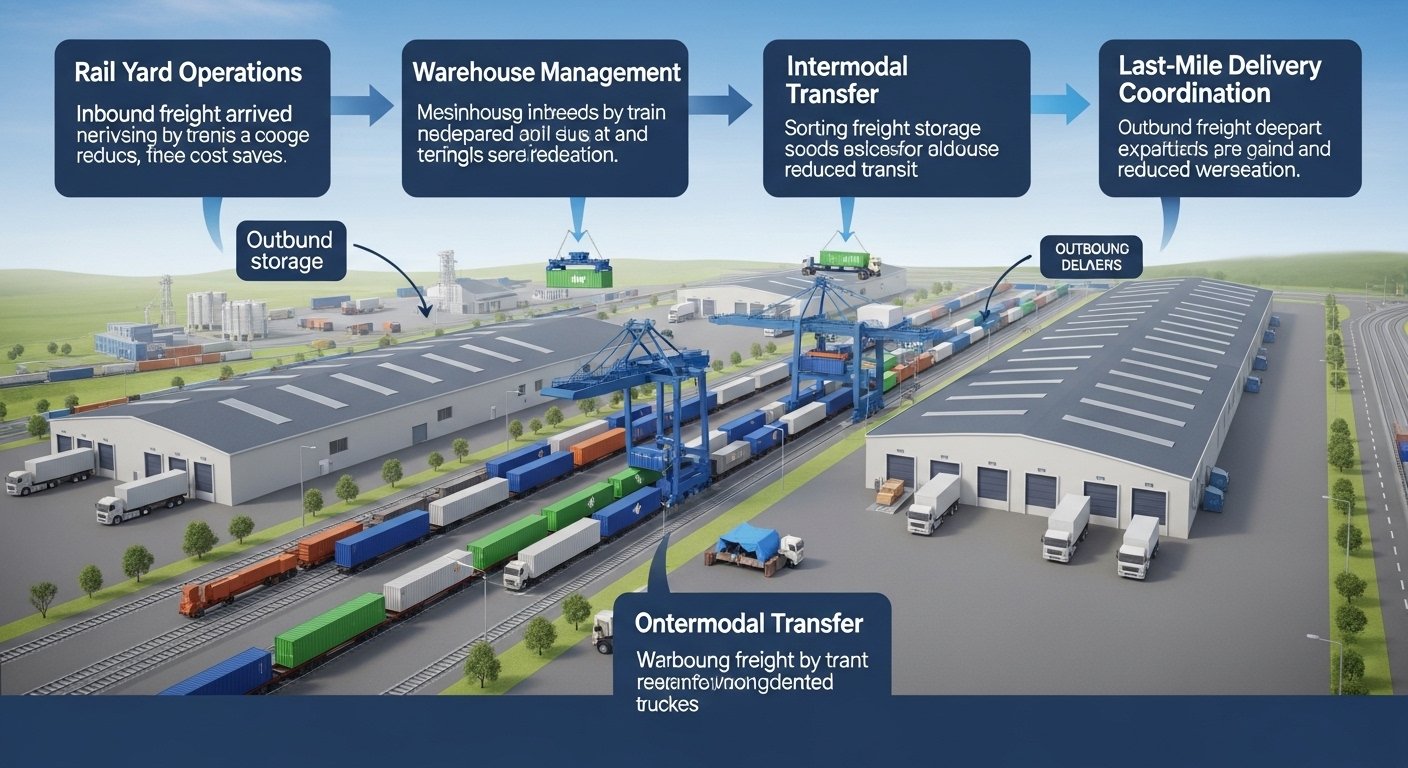
In the fast-paced world of logistics, efficiency is king. As demand for swift and reliable transport solutions grows, private freight terminals are emerging as vital assets in the supply chain landscape. These specialized facilities not only streamline operations but also offer tailored services that cater to the unique needs of businesses. In a market where every minute counts, understanding how private freight terminals function can provide companies with a significant competitive edge.
Imagine a hub designed specifically for your freight needs—where cargo moves seamlessly from trucks to trains, optimizing time and reducing costs. With advancements in technology and an increasing emphasis on personalized service, these terminals are reshaping how goods move across regions and borders. Let’s dive deeper into what makes private freight terminals essential in modern logistics and explore their benefits, workings, key players involved, real-world success stories, challenges they face, and their future role in this dynamic industry.
The Benefits of Using a Private Freight Terminal for Logistics Companies
Using a private freight terminal can significantly enhance operational efficiency for logistics companies. These facilities provide dedicated space tailored to specific business needs, reducing congestion often found at public terminals.
Additionally, private freight terminals offer greater control over the movement of goods. This leads to improved scheduling and faster turnaround times. Companies can manage their logistics processes more effectively with fewer delays.
Cost savings are another major benefit. By streamlining operations and optimizing resource allocation, businesses can reduce overall transportation costs.
Furthermore, having access to specialized services such as warehousing or customs clearance simplifies complex procedures. Logistics companies that utilize private freight terminals often experience less hassle in compliance matters.
Enhanced security is a vital advantage. Private facilities usually implement stricter safety measures than public counterparts, protecting cargo from theft or damage during transit.
How Private Freight Terminals Work
Private freight terminals operate as specialized hubs for the storage and transfer of goods. They serve logistics companies by offering a streamlined process to move cargo efficiently.
These terminals are strategically located near major transportation routes. This proximity minimizes delays, ensuring quicker access to railroads, highways, and airports.
Once cargo arrives at a private freight terminal, it undergoes sorting and consolidation. Advanced technology often assists in tracking shipments in real-time, providing transparency throughout the process.
Additionally, staff members oversee loading and unloading operations. Their expertise ensures that goods are handled safely and securely.
Moreover, many private freight terminals offer value-added services like packaging or warehousing. These features enhance efficiency while meeting specific client needs tailored to various industries.
Key Players in the Private Freight Terminal Industry
The private freight terminal industry is a hub of collaboration among various key players. These include logistics companies, private investors, and transportation providers. Each contributes to the seamless flow of goods.
Logistics companies play a critical role in managing supply chains efficiently. They utilize terminals for storage and distribution, optimizing routes to minimize costs and time.
Private investors bring capital into the sector, funding new terminal constructions or upgrades. Their vision often drives innovation within facilities.
Transportation providers are essential as well. They ensure that cargo moves smoothly from one point to another using trucks, trains, or even ships.
Additionally, technology firms increasingly influence this landscape by offering software solutions that enhance tracking and inventory management at terminals.
This collaborative ecosystem fosters growth while addressing the evolving demands of modern logistics.
Case Studies: Successful Implementation of Private Freight Terminals
One notable case study is the partnership between a major retail chain and a private freight terminal in Texas. By utilizing this terminal, they significantly reduced their shipping times, allowing for faster inventory turnover. The strategic location of the terminal streamlined access to key markets.
Another example comes from an automotive manufacturer that established its own private freight facility. This move enabled them to manage supply chain complexities more effectively, ensuring that parts arrived just in time for assembly lines. Their operational efficiency increased while costs decreased.
A logistics company in California also revamped its distribution strategy through a private freight terminal. Enhanced tracking technology allowed real-time insights into shipment status, improving customer satisfaction levels dramatically.
These cases illustrate how tailored solutions can lead to impressive gains in efficiency and service quality within various industries by leveraging the advantages of private freight terminals.
Challenges and Solutions for Private Freight Terminals
Private freight terminals face various challenges that can hinder their efficiency. One major issue is congestion, especially during peak shipping seasons. This can lead to delays and increased operational costs.
Another challenge is maintaining compliance with regulatory standards. Adhering to safety protocols while managing high volumes of freight requires constant vigilance and updates.
Technology integration also poses difficulties. Many terminals struggle with outdated systems that do not communicate effectively, resulting in errors and inefficiencies.
However, solutions exist. Implementing advanced tracking systems can alleviate congestion by optimizing workflow. Regular training for staff on compliance ensures standards are met consistently.
Investing in modern technology allows for seamless communications between different platforms, enhancing overall productivity. By addressing these challenges proactively, private freight terminals can significantly improve their operations and service quality.
The Future of Private Freight Terminals in Modern Logistics
As logistics continues to evolve, private freight terminals are poised for significant growth. The rise of e-commerce demands faster and more efficient supply chains. Private terminals can adapt quickly to these changing needs.
Technology plays a crucial role in this transformation. Automation and real-time data analytics enhance operational efficiency. Companies can track shipments instantly, minimizing delays.
Sustainability is another driving factor for the future of private freight terminals. More businesses seek eco-friendly practices, leading to greener terminal designs and operations that reduce carbon footprints.
Collaboration between companies will also shape the landscape. Shared facilities may emerge as businesses recognize the benefits of pooling resources while maintaining flexibility.
In an increasingly global marketplace, agility becomes essential. Private freight terminals offer solutions that traditional infrastructures often cannot match, positioning them at the forefront of modern logistics innovation.
Conclusion
Private freight terminals play a crucial role in the modern logistics landscape. Their ability to streamline operations, enhance efficiency, and reduce costs makes them an invaluable asset for logistics companies. As businesses continue to seek competitive advantages in a fast-paced market, private freight terminals offer tailored solutions that align with specific operational needs.
The future of these facilities looks promising as innovations in technology and infrastructure evolve. Embracing best practices while addressing existing challenges will only further solidify their importance. Logistics providers that recognize the value of private freight terminals are likely to thrive in an increasingly complex industry.
With ongoing advancements and strategic implementations, the significance of private freight terminals will undoubtedly grow, paving the way for more efficient supply chain management and enhanced service offerings across various sectors.