
 By Naomi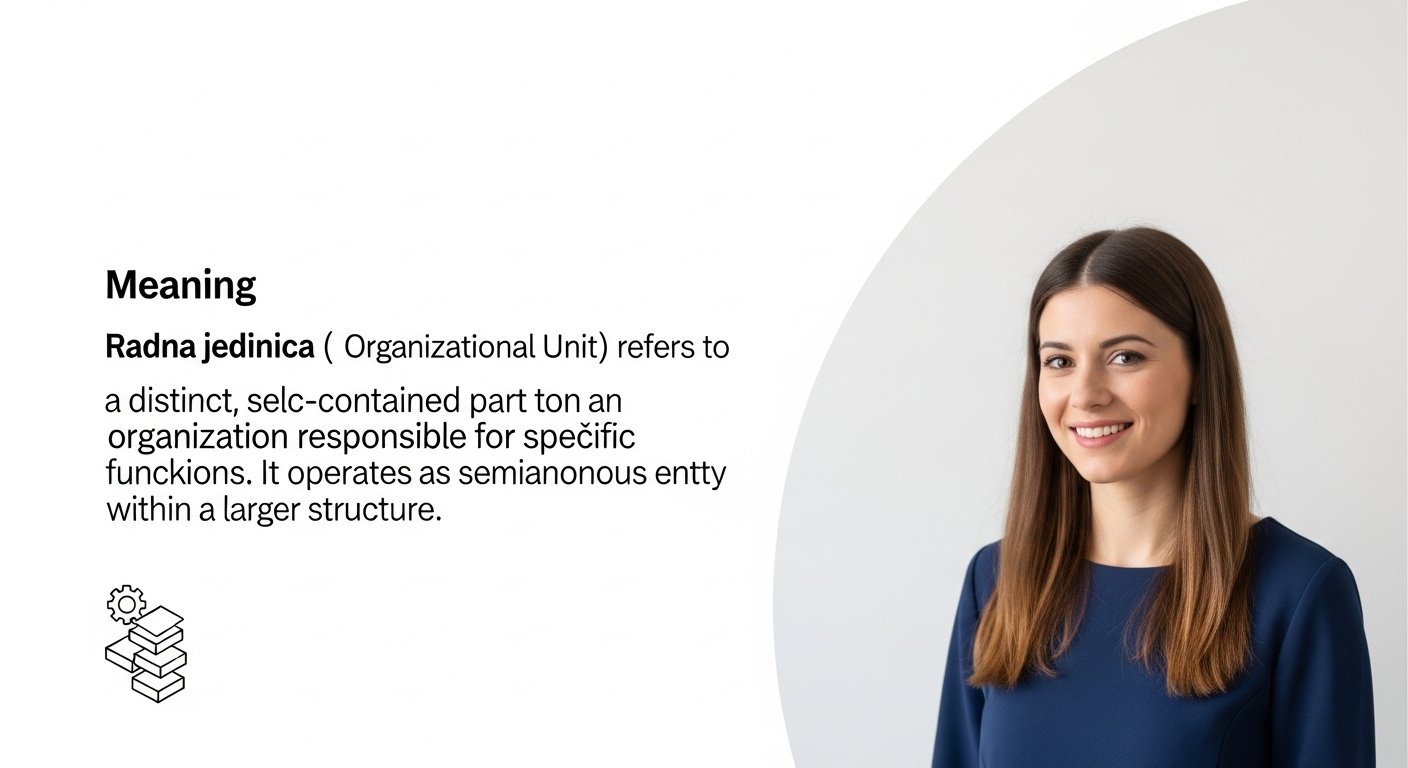
In today’s fast-paced world, understanding complex concepts can sometimes feel overwhelming. One such concept that has gained traction is “radna jedinica.” This term, which translates to “work unit,” plays a pivotal role in various sectors. But what does it really mean? How did it come about, and why should we care?
As industries evolve and adapt to new technologies and methodologies, knowing the ins and outs of radna jedinica becomes essential. Whether you’re a seasoned professional or just starting your career journey, this knowledge could transform how you approach your work environment. Dive into the fascinating world of radna jedinica with us as we explore its origins, purposes, applications across different fields, benefits, challenges—and why grasping this concept can make all the difference in our increasingly interconnected workplaces.
Origins and Historical Context
The term “radna jedinica” has its roots in the socio-economic landscape of Eastern Europe, particularly within the context of socialist and post-socialist countries. It emerged as a necessary framework for understanding labor organization during industrialization.
Historically, these units were pivotal in shaping workplace dynamics. They represented not just a physical space but also a collective entity where workers collaborated towards common goals.
As economies evolved, so did the concept of radna jedinica. It adapted to accommodate technological advancements and changing workforce needs.
This evolution reflects broader trends in management theory and organizational behavior, emphasizing efficiency and worker engagement. Understanding this historical backdrop provides valuable insights into contemporary applications across various industries today.
The Purpose and Function of Radna Jedinica
Radna jedinica, or work unit, serves a crucial role in various organizational structures. It is designed to enhance efficiency by organizing tasks and responsibilities within teams.
These units allow for streamlined communication among team members. Clear delineation of roles helps prevent overlapping duties and ensures accountability.
Moreover, radna jedinica fosters collaboration. When individuals understand their specific contributions, teamwork naturally improves. This clarity leads to higher productivity levels across the board.
In addition to improving workflow, these units can adapt based on project needs. Flexibility allows organizations to scale efforts up or down as required without losing momentum.
Understanding the purpose behind radna jedinica is vital for optimizing operational effectiveness in any industry. Its implementation paves the way for balanced workloads and smoother processes throughout an organization’s hierarchy.
How Radna Jedinica is Used in Different Industries
Radna jedinica plays a crucial role across various industries, adapting to specific needs and enhancing productivity. In manufacturing, it often refers to the smallest unit of labor that can perform a distinct task efficiently. This clarity aids in streamlining processes and measuring output.
In the healthcare sector, radna jedinica might denote individual roles or teams responsible for patient care. This structure improves coordination among medical staff and ensures patients receive timely attention.
The tech industry leverages this concept by defining specialized units focused on software development or project management. Each unit contributes uniquely to the overall success of projects.
Even in education, radna jedinica can represent small groups of students working together on assignments or research projects. This collaborative approach fosters teamwork and enhances learning outcomes.
Each application demonstrates how versatile and essential the idea is across different fields. Its adaptability makes it valuable regardless of context.
Benefits and Advantages of Implementing Radna Jedinica
Implementing radna jedinica brings numerous benefits to organizations. One significant advantage is enhanced efficiency. By clearly defining roles and responsibilities, teams can operate more cohesively.
Another benefit lies in improved communication. When everyone understands their tasks within the radna jedinica framework, information flows seamlessly across departments. This fosters collaboration and reduces misunderstandings.
Additionally, it promotes accountability among team members. Each person knows what they are responsible for, leading to a culture of ownership and reliability.
Cost-effectiveness is yet another perk. With optimized workflows, resources are utilized better, minimizing waste and maximizing output.
Moreover, implementing radna jedinica supports employee development by clarifying career paths within the organization. Employees can identify skill gaps and pursue relevant training or mentorship opportunities.
These elements contribute significantly to workplace morale by creating an environment where individuals feel valued and engaged in their work.
Challenges and Limitations of Radna Jedinica
Radna jedinica, while beneficial, comes with its own set of challenges. One primary issue is the potential for miscommunication among team members. If roles are not clearly defined, confusion can arise, leading to inefficiencies.
Another limitation is the rigidity in structure. Some organizations might find it hard to adapt radna jedinica concepts to their existing workflows. This inflexibility can stifle creativity and responsiveness.
Resource allocation also poses a challenge. Without proper management, teams may struggle with varying workloads or insufficient support for specific projects.
Training employees on how to effectively utilize radna jedinica requires time and investment. Not all companies have the necessary resources or commitment to ensure everyone is on board.
Why Radna Jedinica is a Valuable Concept to Understand
Understanding the concept of radna jedinica is essential for anyone involved in industries that rely on structured work units. This term encapsulates a variety of meanings, from practical applications to theoretical frameworks. By grasping its significance, professionals can better navigate their workplace environments and enhance productivity.
The adaptability of radna jedinica across different sectors makes it an invaluable tool. Whether it’s used in manufacturing, healthcare, or education, recognizing how to implement this concept effectively can lead to improved efficiencies and outcomes. As businesses evolve and face new challenges, having a solid understanding of radna jedinica will empower teams to tackle these issues head-on.
Moreover, as organizations shift towards more collaborative models, embracing the principles behind radna jedinica fosters teamwork and communication among employees. It promotes clarity in roles and responsibilities while streamlining processes.
Delving into the meaning and implications of radna jedinica not only enhances operational efficiency but also prepares individuals for future advancements in their respective fields. Embracing this knowledge paves the way for innovation and growth within any organization.