
 By Naomi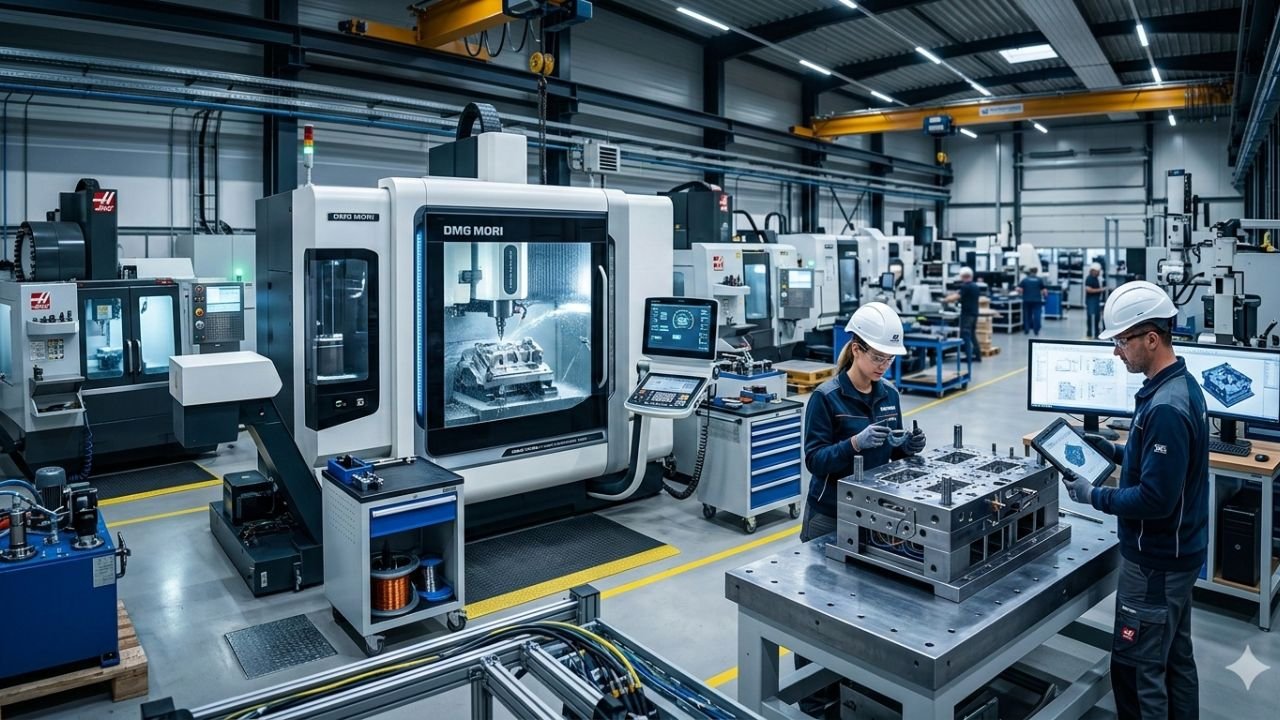
The world of mold manufacturing is evolving at a rapid pace, and at the forefront of this transformation is Repmold. This innovative approach to creating molds has revolutionized how industries produce complex shapes and components across various sectors. As manufacturers strive for efficiency, precision, and sustainability, Repmold stands out as a game changer in modern production techniques. By harnessing cutting-edge technologies and advanced materials, it not only enhances performance but also opens the door to endless possibilities. Join us as we delve into the advancements driving Repmold forward and explore its impact on the future of mold manufacturing.
Advancements in Materials Used for Repmold
The evolution of materials has significantly influenced repmold technology. Traditional options like steel and aluminum are being joined by innovative composites and thermoplastics. These newer materials offer enhanced durability while reducing production costs.
Lightweight yet strong, modern composites enable intricate designs that were once deemed impractical. This flexibility allows for the creation of molds with complex geometries. As a result, manufacturers can achieve greater precision in their products.
Additionally, advancements in bio-based and recycled materials are emerging as sustainable alternatives. They not only meet performance standards but also appeal to eco-conscious consumers.
With ongoing research into nanomaterials, the potential for increased strength and heat resistance seems promising. Such innovations could redefine what is possible within repmold applications across various industries.
Impact of 3D Printing on Repmold
The advent of 3D printing has revolutionized the repmold landscape. This technology allows manufacturers to create intricate mold designs with unprecedented precision. Traditional methods often limit creativity, but 3D printing opens up endless possibilities.
Rapid prototyping is another significant benefit. Designers can quickly iterate their ideas, test them, and refine without lengthy delays. This agility in production accelerates time-to-market for new products.
Moreover, cost savings are substantial. With reduced material waste and lower tooling costs, businesses can optimize their budgets while maintaining high-quality output.
Customization becomes more accessible too. Companies can easily tailor molds to meet specific client needs or unique product specifications without extensive retooling processes.
As a result, the integration of 3D printing into repmold practices enhances both efficiency and innovation within the industry. It’s clear that this synergy will shape the future of mold manufacturing significantly.
Automation and Robotics in Repmold Processes
Automation and robotics have transformed the repmold processes significantly. By integrating advanced machinery, manufacturers can streamline production lines, reducing human error.
Robots handle repetitive tasks with precision that humans cannot match. This leads to faster cycle times and increased output without sacrificing quality.
Moreover, automated systems monitor the molding process in real-time. They can detect inconsistencies and adjust parameters instantly, ensuring optimal conditions for every mold produced.
The use of collaborative robots—those designed to work alongside humans—enhances safety while maximizing productivity. Workers can focus on complex tasks while robots take care of mundane activities.
Incorporating automation also helps in cost reduction over time. Fewer resources are spent on manual labor when machines take charge of routine operations. As technology advances further, expect even greater integration between robotics and repmold manufacturing.
The Role of Artificial Intelligence in Improving Repmold Accuracy
Artificial Intelligence is making waves in the world of repmold. Its ability to analyze vast amounts of data allows for precision that was once unimaginable.
AI algorithms can predict potential flaws before they occur. By assessing historical performance metrics, these systems identify patterns and anomalies in mold production processes.
Furthermore, machine learning continuously improves outcomes. As more data flows into AI models, their predictive capabilities enhance over time. This leads to reduced error margins and optimized designs.
Quality control also benefits significantly from AI integration. Real-time monitoring ensures each mold meets stringent standards without human intervention.
With advancements in AI technology, manufacturers are witnessing fewer defects and higher consistency across batches. The future holds great promise as artificial intelligence continues to refine techniques in repmold manufacturing.
Challenges and Limitations of Repmold Technology
Despite its many advantages, repmold technology faces several challenges. One major hurdle is the initial cost of investment. High-quality materials and advanced machinery can be expensive, making it a barrier for smaller manufacturers.
Another limitation lies in the complexity of designs. While repmold excels at creating intricate shapes, certain geometries can still pose difficulties during production. This may require additional engineering to ensure feasibility.
Moreover, not all materials are compatible with repmold processes. Finding suitable options that meet industry standards can complicate manufacturing timelines.
Quality control also presents an ongoing challenge. Maintaining consistent accuracy throughout production runs requires stringent monitoring and skilled personnel.
As technology evolves rapidly, staying updated with trends and advancements demands continuous learning and adaptation from businesses involved in mold manufacturing. These factors collectively shape the landscape of repmold technology today.
Future Outlook for Repmold: Emerging Trends and Possibilities
The future of repmold is brimming with potential, driven by continuous innovation. As industries evolve, the demand for customized and efficient molds will only increase. Emerging technologies are set to redefine how we perceive mold manufacturing.
Sustainability is a key trend gaining traction. Eco-friendly materials are becoming more prevalent, allowing manufacturers to reduce their carbon footprint while maintaining quality.
Additionally, the integration of smart manufacturing practices promises enhanced efficiency. This means faster turnaround times and reduced waste throughout production processes.
Collaborative robots (cobots) are also on the rise, working alongside human operators to streamline workflows and improve precision in molding tasks.
Advancements in simulation software will enable designers to predict mold performance accurately before production begins. This proactive approach can significantly lower costs associated with trial-and-error methods typical in traditional manufacturing setups.
Conclusion
The landscape of mold manufacturing is evolving. Repmold stands at the forefront, driving innovation and efficiency in the industry. As advancements in materials continue to emerge, manufacturers can create molds that are not only durable but also tailored to specific needs.
3D printing has transformed traditional practices, allowing for rapid prototyping and customization like never before. Automation and robotics streamline production processes, reducing human error and increasing output rates. Coupled with artificial intelligence, repmold technology enhances accuracy significantly—leading to higher quality products.
However, challenges persist. The integration of new technologies often requires significant investment and training. Additionally, maintaining consistent quality across various applications can be difficult.
Looking ahead, the future of repmold appears bright with emerging trends promising even greater efficiencies and capabilities. As industries demand more from their manufacturing processes, repmold will likely adapt to meet these expectations while continuing to push boundaries in design and functionality.
Embracing these innovations could redefine standards within mold manufacturing for years to come.