
 By Naomi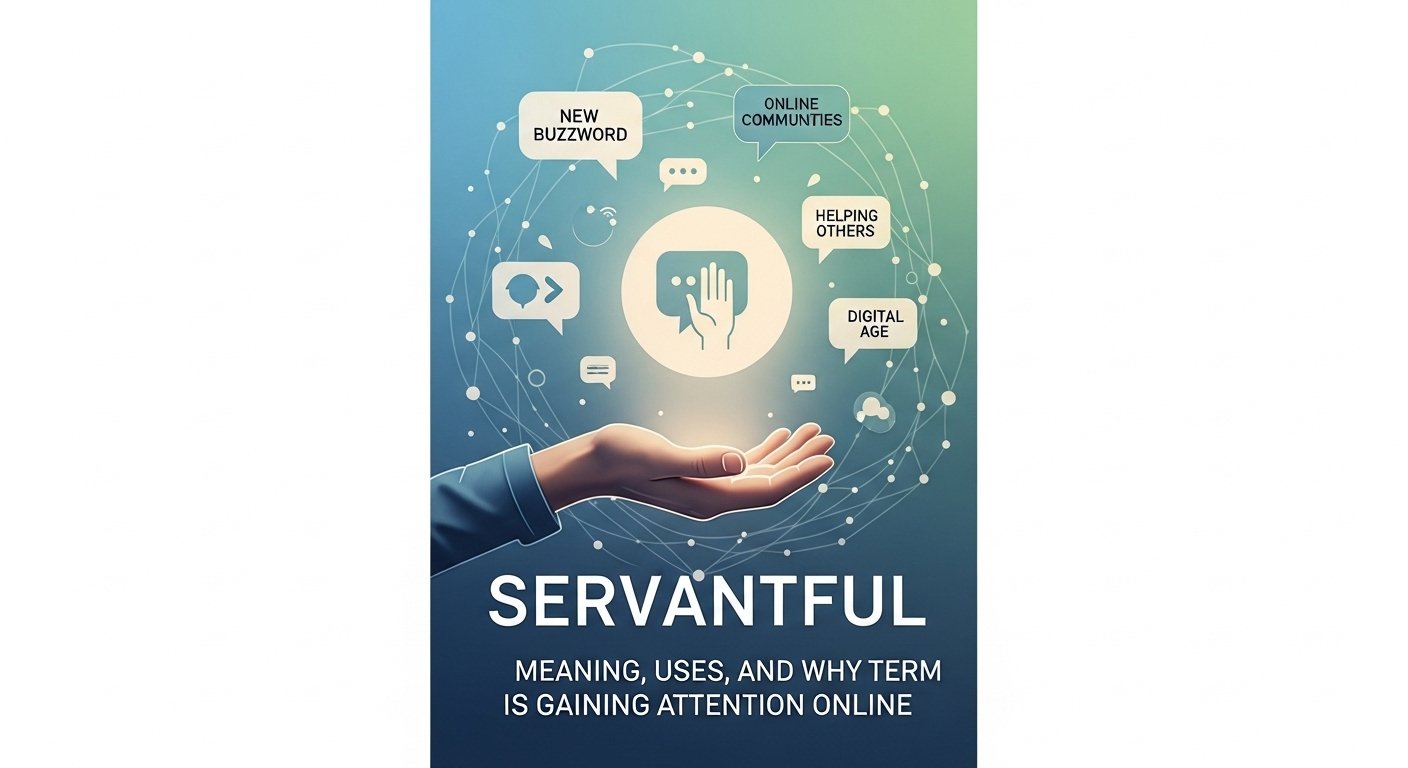
Have you ever come across a term that instantly piques your curiosity? “Servantful” is one such word making waves online lately. It’s not just a buzzword; it embodies a mindset and lifestyle that many are starting to embrace. As we navigate through our increasingly complex world, the concept of being servantful holds remarkable significance. This blog post will delve into what “servantful” means, its origins, and why it resonates with so many today. Whether you’re looking to enhance your personal relationships or make an impact in your community, understanding this term could be the key to unlocking new potentials in both individual lives and society as a whole. Let’s dive deeper into this intriguing concept!
What is Servantful?
“Servantful” refers to the quality of embodying a servant’s heart. It means prioritizing the needs and well-being of others, fostering a culture of service and empathy.
At its core, being servantful is about selflessness. It encourages individuals to look beyond their own desires and consider how they can contribute positively to those around them. This mindset fosters connection and collaboration in various settings—personal relationships, workplaces, or communities.
Unlike traditional views that associate power with leadership roles, servantful emphasizes humility. It suggests that true strength comes from uplifting others rather than seeking personal glory.
This term also aligns closely with concepts like altruism and community spirit. As more people discover its significance, it becomes evident why “servantful” is gaining traction as an essential value in today’s society.
The Origins and Evolution of the Term
The term “servantful” traces its roots back to a blend of service-oriented philosophies. It encapsulates the essence of selflessness and support within communities.
Historically, this concept has been woven into various cultures, emphasizing humility and generosity. Think of ancient traditions that revered those who helped others without seeking recognition.
As societies evolved, so did the interpretation of servantful behavior. The rise of individualism in modern times posed challenges to these age-old values. Yet, people began to reclaim this idea by integrating it into leadership models and community initiatives.
Today, we see a resurgence in its use across social platforms and discussions on personal development. The digital age has allowed for a broader dialogue around empathy, collaboration, and the importance of serving one another—a fitting evolution for a term rooted in connection.
The Different Interpretations and Uses of Servantful
The term “servantful” can be interpreted in various ways, embodying a spectrum of meanings that resonate with different audiences. At its core, it suggests a state of being dedicated to serving others. This aligns closely with concepts found in leadership and community dynamics.
In professional settings, being servantful often manifests as prioritizing team needs over personal ambitions. It fosters collaboration and enhances workplace morale.
On the flip side, within personal relationships, servantfulness highlights empathy and selflessness. Individuals who adopt this approach may focus on supporting friends or family without expecting anything in return.
Culturally, interpretations vary widely; some view it through a spiritual lens while others lean toward practical applications like volunteerism or activism. Each perspective adds richness to the understanding of what it means to be truly servantful in today’s world.
How the Term Is Gaining Attention Online
The term “servantful” is popping up more frequently across various online platforms. Social media, blogs, and forums are buzzing with discussions surrounding its meaning and implications.
Influencers and thought leaders have embraced the concept, sharing personal stories that resonate with audiences. This has sparked a movement where people reflect on their roles in serving others within communities.
Search engines are seeing a surge in queries related to servantful behaviors. Articles exploring its significance appeal not just to those interested in self-improvement but also to individuals seeking deeper connections.
Additionally, educational institutions are incorporating the idea into curricula. Workshops and seminars focused on cultivating a servantful mindset are gaining traction as organizations recognize the value it brings.
As more people adopt this philosophy, content around servantfulness continues to flourish online. The growing visibility speaks volumes about society’s evolving attitudes towards service-oriented lifestyles.
Examples of Servantful Actions and Behaviors
Servantful actions manifest in various ways, often reflecting a deep commitment to serving others. Imagine a colleague who goes the extra mile to help you meet a deadline. Their willingness to lend a hand embodies the essence of being servantful.
In communities, acts like volunteering at local shelters signify this mindset. When individuals dedicate their time and skills without expecting anything in return, they create ripple effects of kindness.
Another example is listening actively during conversations. A servantful person prioritizes understanding over responding, fostering genuine connections.
Even small gestures matter—holding the door open for someone or offering your seat on public transport can brighten someone’s day. These actions showcase empathy and consideration that define what it means to be truly servantful.
The Impact of Being Servantful on Individuals and Society
Being servantful cultivates a culture of empathy and understanding. When individuals adopt this mindset, they prioritize the needs of others. This shift can lead to stronger community bonds.
In workplaces, a servantful attitude fosters collaboration. Teams become more cohesive when members feel valued and supported. Productivity often rises as people work together towards shared goals.
On a societal level, embracing servantfulness can challenge systemic issues. By focusing on service over self-interest, communities can address inequalities more effectively. Volunteers and activists exemplify this spirit by helping those in need.
Furthermore, being servantful enhances personal satisfaction. Individuals who serve others frequently report higher levels of happiness and fulfillment. This ripple effect creates a positive environment where kindness thrives across various spheres of life.
The impact is profound—not just for the individual but for society at large as well.
Embracing Servantful Attitude in Daily Life
Embracing a servantful attitude in daily life offers numerous benefits, both for individuals and the communities they inhabit. Adopting this mindset encourages selflessness and fosters stronger connections with others. It allows us to prioritize the needs of those around us, enhancing our relationships and creating a sense of belonging.
Practicing servantfulness can be as simple as offering help to a neighbor or volunteering your time at local charities. These small acts contribute to building a culture where kindness thrives. When we engage in servantful actions, we inspire others to do the same, creating a ripple effect that extends far beyond individual efforts.
Incorporating this attitude into your daily routine doesn’t require grand gestures—rather, it begins with intentional choices made each day. Whether it’s actively listening during conversations or being present for friends in need, these behaviors collectively shape who we are and how we interact with the world.
Embracing servanthood enriches not only our own lives but also contributes positively to society at large. This shift toward service-oriented living invites opportunities for personal growth while paving the way for deeper community ties. The journey towards becoming more servantful may take time and reflection but is undoubtedly rewarding on multiple levels.